Lawsuits and mediation
What to Do If You Are Served With a Lawsuit: The Deadline to Respond, the Papers, and What Happens If You Do Not
Served with a lawsuit? See the answer deadline for Texas, federal, California and New York courts, what to file, how service works and what happens if you do not respond.

Counselado · August 27, 2026 · United States · Updated October 1, 2026
If you are served with a lawsuit, start by finding five things in the papers: the court, the case number, the summons or citation, the complaint or petition, and the response deadline. That deadline depends on the court and the state. In Texas district and county courts, Texas Rule of Civil Procedure 99 (opens in a new tab) generally requires an answer by 10:00 a.m. on the Monday next after the expiration of 20 days after service. Texas justice courts use different rules. In federal court, Federal Rule of Civil Procedure 12 (opens in a new tab) generally gives 21 days after service, or 60 days after a timely waiver of service (90 days when the request was sent outside the United States). Read the papers together with the rule that governs your court.
Key takeaways
- The papers usually include a summons or citation and a complaint or petition; keep every page and the envelope.
- The answer deadline depends on the court: Texas district and county courts use a 20-day-plus-Monday rule, and Texas justice courts generally use 14 days.
- Federal court generally allows 21 days after service, or 60 days after a timely waiver of service.
- An answer is filed with the clerk of the court named on the papers, and a copy goes to the plaintiff or the plaintiff's lawyer.
- If no answer is filed, the plaintiff may ask the court for a default judgment under the governing rule.
- Clerks, TexasLawHelp, legal aid and the State Bar of Texas referral service can point you to forms and help.
What should you do first after being served?
Begin with the papers themselves. Keep every page you received, including attachments, the envelope and any mailing label, because those items can show when and how the papers reached you. Then write down the name of the court, the case or cause number, the names of the parties, the date you were served and any answer date printed on the papers.
These details tell you who filed the case, which court has it, which clerk's office to contact and how much time the rules allow. A calendar entry for the deadline, made the same day, keeps the date from slipping.
From service to a filed answer
- Keep the papersSave every page, attachment, envelope and mailing label you received.
- Note the detailsWrite down the court, the case or cause number, the parties, the date you were served and any printed answer date.
- Check the deadlineCompare the printed date with the rule that governs the court named on the papers.
- File the answerSubmit the answer and copies to the clerk of that court and get a file-stamped copy.
- Serve the plaintiffSend a file-stamped copy to the plaintiff or the plaintiff's lawyer.
- Keep proofKeep the certificate of service, which states how and when that copy was sent.
What papers come with a lawsuit?
Most lawsuits start with two kinds of papers, and the names change with the court. TexasLawHelp (opens in a new tab) describes the first page of a Texas lawsuit as the citation, which states that the person has been sued.
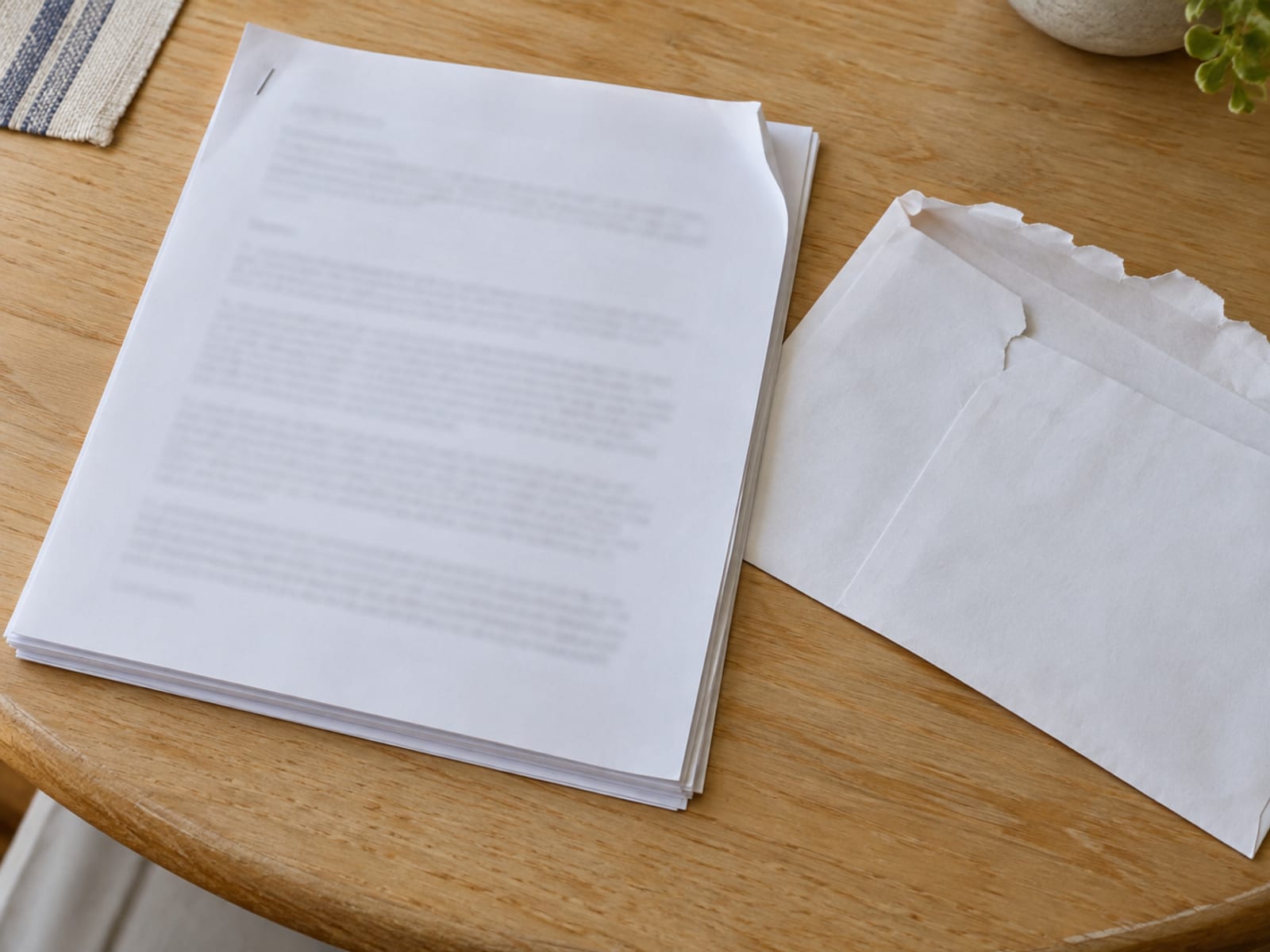
The summons (called a citation in Texas state courts) is the official notice that a case has been filed and that the named defendant must respond under the court's procedure. It normally names the court, the parties and the case number, and it often states the answer date or response period.
The complaint (called a petition in Texas) is the plaintiff's written statement of what they claim happened and what they are asking the court to order. It may come with attachments.
In federal court, the summons names the court, the case and the defendant, states the time to respond and is served with a copy of the complaint, under Federal Rule of Civil Procedure 4 (opens in a new tab).
A summons is different from a subpoena, which generally orders a witness or someone outside the case to testify or produce documents.
How do you find your response deadline?
The deadline printed on a summons or citation is a starting point, but the court rule, any case order and any special language in the papers control. Deadlines differ by court, so a 30-day figure that applies in one place can be wrong in another. The examples below sit beside their jurisdictions, as of October 1, 2026.
Hover or tap a row to highlight it.
| Court or procedure | General answer period | Source |
|---|---|---|
| Texas district and county courts | By 10:00 a.m. on the Monday next after 20 days from service | Texas Rule 99(b) (opens in a new tab) |
| Texas justice courts | Generally 14 days after service | TexasLawHelp (opens in a new tab) |
| Federal court, ordinary service | 21 days after service | Federal Rule 12(a) (opens in a new tab) |
| Federal court, timely waiver sent in the U.S. | 60 days from the date the waiver request was sent | Federal Rule 12(a) (opens in a new tab) |
| Federal court, waiver request sent outside the U.S. | 90 days from the date the request was sent | Federal Rule 12(a) (opens in a new tab) |
| California general civil case | 30 days after personal service; 40 days in the substituted-service situation the court describes | California Courts (opens in a new tab) |
| New York City Civil Court | 20 days for personal delivery; 30 days for other delivery | New York Courts (opens in a new tab) |
Texas district and county courts
Under Texas Rule 99(b) (opens in a new tab), you count 20 days from service, move to the following Monday, and the answer is due by 10:00 a.m. that day. Texas Rule of Civil Procedure 4 explains how to count days, including the day of service, the last day, weekends, holidays and court closures. A citation for a particular type of case can state a different period, so read it alongside the rule.
Texas justice courts and special cases
Texas justice courts follow Part V of the Texas Rules of Civil Procedure. TexasLawHelp (opens in a new tab) states that the usual justice-court answer deadline is 14 days after service. Eviction cases and other special proceedings can have their own procedures and deadlines; our guide to the Texas eviction process walks through that track, and readers facing a collection case can read about being sued by a debt collector in Texas.
Federal, California and New York examples
In federal court, a timely waiver of service under Rule 4(d) (opens in a new tab) stretches the usual 21 days to 60 days from the date the request was sent, or 90 days if it was sent outside the United States.
California Courts (opens in a new tab) state that a defendant in a general civil case usually has 30 days after being handed the summons and complaint. The day after service counts as day one, and weekends and court holidays are included. Substituted service can create a 40-day period measured from mailing, and some case types have exceptions.
In New York City Civil Court, statewide rules and the type of case can change the 20-day and 30-day periods shown above.
What is an answer, and where is it filed?
An answer is the defendant's written response to the claims in the complaint or petition. It carries the court's caption and case number, it is filed with the clerk of the court where the case is pending, and a copy generally must be served on the plaintiff or the plaintiff's lawyer. An answer is a response, not a ruling; it does not decide who wins.
In Texas, Rule 92 (opens in a new tab) allows a general denial of the allegations, subject to the rule, and Rule 93 lists matters that must be verified, meaning sworn. TexasLawHelp's guide to filing an answer in a civil case (opens in a new tab) explains the filing steps: submit the answer and copies to the clerk, get a file-stamped copy, and send a file-stamped copy to the plaintiff or the plaintiff's lawyer. The certificate of service, which states how and when that copy was sent, belongs in your records.
In New York City Civil Court, an individual may answer in person using a court form. New York Courts (opens in a new tab) state that the answer should include defenses or explanations, may include a counterclaim, is filed with the clerk and must be mailed to the plaintiff. In California, the court's self-help page on serving your answer (opens in a new tab) covers filing, service and proof of service.
Forms and filing methods vary by court, so confirm the form and filing method with the clerk of the court named on your summons or citation.
How is service made, and how can you check the return?
Service is the formal delivery of the lawsuit papers. In Texas, Rule 106 (opens in a new tab) generally permits personal delivery and delivery by registered or certified mail, return receipt requested, when the rule's requirements are met. If those methods fail, the court may order substituted service by a method reasonably effective to give notice. Rule 107 governs the return, the document the officer or process server files showing when, where and how service happened.
In federal court, Rule 4 (opens in a new tab) allows service on an individual in the United States by personal delivery, by leaving the papers at the person's home with a suitable resident, by delivery to an authorized agent, or by a method state law permits. Proof of service must be made to the court unless service was waived, ordinarily through the server's affidavit.
The clerk's file or the docket usually holds the return, affidavit or proof of service, and the clerk can explain how to get a copy. A concern about how service was made does not by itself remove the need to respond; court procedures may require an answer or a specific motion to raise it, so a licensed lawyer is the right person to ask about that choice in a particular case.
What happens if you do not respond?
When no answer is filed, the plaintiff can ask the court for a default judgment, which is a judgment entered after a defendant fails to answer or appear as the rules require. In Texas, Rule 239 (opens in a new tab) permits a default judgment after the answer period has passed with no answer on file, provided the citation and the officer's return have been on file for the period Rule 107 requires and the other rule requirements are met. See how a judgment can reach a bank account (opens in a new tab).

Relief after a default exists, but it depends on timing and grounds. In Texas, post-judgment procedures can involve Rules 306a and 329b, and the deadlines turn on when notice was received and whether the judgment is final. In federal court, Rule 55 (opens in a new tab) sets out entry of default and default judgment, and Rule 55(c) allows an entry of default to be set aside for good cause. Rule 60(b) (opens in a new tab) lists grounds for relief from a final judgment, including mistake, excusable neglect, newly discovered evidence, fraud and a void judgment. Requests based on mistake, excusable neglect, newly discovered evidence or fraud generally must be made within one year.
Can you get more time to answer?
Sometimes. In Texas, Rule 11 (opens in a new tab) generally requires agreements between the parties about a pending case to be in writing, signed and filed as the rule describes, so an informal phone call about extra time is not the same as a filed agreement. A party may also ask the court for more time through the procedure the court's rules allow; the court decides whether to grant it.
In federal court, Rule 6(b) (opens in a new tab) treats extension requests made before the deadline differently from those made after it. Waiving service lengthens the federal answer period and gives up objections to the lack of formal service, while the Rule 12 defenses remain available.
Talking with the other side does not pause the deadline by itself. Settlement talks and mediation in a lawsuit usually come later, after the answer is on file.
Where can you find the case and get help?
The court clerk can tell you where the case file is, which forms the court uses and the local fee schedule. Texas clerk systems vary by county, and the Texas Judicial Branch court directory (opens in a new tab) offers directory and case-search access, though some searches require a login. For federal cases, PACER (opens in a new tab) provides docket information, and its Case Locator helps when you do not know which federal court has the case. The PACER site (opens in a new tab) lists document access at $0.10 per page, and files can also be viewed at public terminals in the clerk's office.

For help in Texas:
- The State Bar of Texas Lawyer Referral and Information Service (opens in a new tab) matches callers with a lawyer or another resource. Its listed initial consultation is up to 30 minutes for no more than $20, and later fees are set by agreement with the lawyer. Its staff do not give legal advice.
- TexasLawHelp.org (opens in a new tab) offers Texas legal information, forms, fee-waiver information and legal-help directories.
- The Legal Services Corporation (opens in a new tab) keeps a national directory of legal-aid programs; eligibility depends on the provider and the matter.
- The State Bar of Texas public information pages (opens in a new tab) explain how to look up a lawyer's profile and grievance history.
Our guide on how to find a lawyer covers referral services and license checks.
Costs and fee waivers
TexasLawHelp (opens in a new tab) states that filing an answer is free in the Texas civil cases its guide covers. Other costs can apply, such as copies, service, a court reporter or a jury demand, and amounts vary by county, so confirm them with the clerk's current fee schedule. Texas Rule 145 (opens in a new tab) sets the procedure for a Statement of Inability to Afford Payment of Court Costs, which, according to TexasLawHelp's fee-waiver guide (opens in a new tab), can cover filing fees, issuing and serving process, and copies once approved. A bilingual version of the statement (opens in a new tab) is available in English and Spanish.
Records worth keeping
Alongside the original papers and envelope, keep the return of service, every docket notice and court order, your answer and file-stamped copies, the certificate of service, filing and fee-waiver receipts, notes of every conversation about the case, and a calendar of deadlines and hearings.
Check what you know
Frequently asked questions about being served with a lawsuit
These questions often follow once the deadline is on the calendar.
Is the deadline on my papers always the one that counts?
The governing court rule controls, and some case types, such as Texas eviction cases, have their own deadlines. Compare the printed date with the rule for the court named on the papers, or ask that court's clerk.
What are the Spanish terms for these court papers?
A lawsuit is a demanda, the summons or citation is a citación, the answer is a respuesta or contestación, and a default judgment is a sentencia en rebeldía. TexasLawHelp en español (opens in a new tab) uses these terms for Texas cases, and the federal courts publish Spanish materials such as the District of Massachusetts "Paso A Paso" guide (opens in a new tab), which covers the waiver-of-service forms.
Can I represent myself when I answer a lawsuit?
Court self-help pages such as TexasLawHelp's answer guide (opens in a new tab) explain the forms for people filing on their own. Clerks and referral staff share procedural information, not legal advice, so choices such as raising a service problem are questions for a licensed lawyer.
Will an answer stop the plaintiff from getting a default judgment?
A timely answer on file is the step the default rules look for. Texas Rule 239 and Federal Rule 55 both tie default to the absence of a required answer or appearance. After an answer is filed, the case moves into later stages such as disclosures, discovery and scheduled hearings.
Your next step
Once you know your court and deadline, you may want a lawyer to review the papers before the answer date. You can search our directory of law firms by practice area and city to find firms that handle civil lawsuits and debt defense near you.
Terms in this guide
Tap a term to see what it means.
Summons. The official notice that a case has been filed and that the named defendant must respond; Texas state courts call it a citation.
Complaint. The plaintiff's written statement of what they claim happened and what they ask the court to order; Texas calls it a petition.
Answer. The defendant's written response to the claims, filed with the clerk of the court where the case is pending.
General denial. In Texas, an answer under Rule 92 that denies the allegations, subject to the rule.
Service. The formal delivery of the lawsuit papers to the defendant.
Return of service. The document the officer or process server files showing when, where and how service happened.
Waiver of service. In federal court, a defendant's agreement to give up formal service, which lengthens the answer period.
Default judgment. A judgment entered after a defendant fails to answer or appear as the rules require.
This guide gives general legal information, not legal advice for your situation. Laws change and differ by state; a lawyer licensed in your state can tell you how they apply to you.